
Following the right Trekking Rules in the Himalayas helps you stay safe while protecting the mountains and respecting local communities.
The Himalayas are one of the most beautiful trekking destinations in the world. From —Why Are Trekking Rules Important in the Himalayas?
The Himalayan environment can change quickly. A sunny morning can turn into heavy rain, snow, or strong winds within a short time. High altitude can also affect your body, especially if you are not properly prepared.
Trekking Rules in the Himalayas are important because they help trekkers avoid unnecessary risks and protect the natural environment. Following basic rules such as staying on marked trails, carrying your waste, respecting wildlife, and listening to local guides makes trekking safer and more responsible.
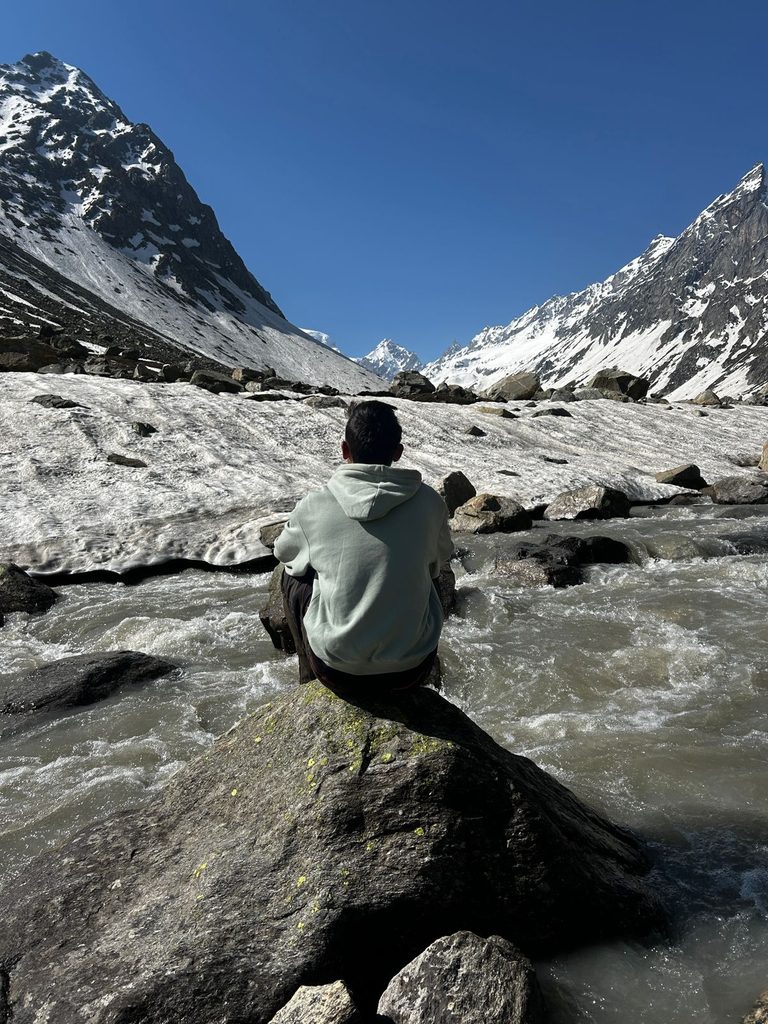
Plan Your Himalayan Trek Before You Go
Proper planning is one of the most important Trekking Rules in the Himalayas. Before starting your journey, research your route, altitude, difficulty level, weather, and trekking season.
Choose a trail that matches your fitness and experience. Prepare a simple itinerary and share it with someone you trust. Check weather conditions before leaving and make sure you know where emergency services or medical facilities are available.
If you are using a trekking agency or local guide, follow their instructions. Local guides often understand the terrain and weather better than visitors.
Follow Permit and Local Regulations
Many Himalayan trekking destinations have specific rules regarding permits, registration, entry fees, protected areas, and restricted zones. Always check the latest requirements for your chosen destination before starting your trek.
Following local regulations is an essential part of Trekking Rules in the Himalayas. These rules often exist to protect the environment and ensure visitor safety.
You should also respect local customs. Ask permission before entering private property or photographing people, homes, or culturally important places.
Carry the Right Trekking Gear
The right equipment can make a major difference during a Himalayan trek. Depending on the route and season, carry sturdy trekking shoes, warm layers, a rain jacket, backpack, water bottle, headlamp, first-aid kit, navigation tools, and sun protection.
Mountain temperatures can drop quickly, particularly at higher elevations. Carry enough warm clothing even if the weather looks comfortable when you begin.
At the same time, avoid packing unnecessary items that make your backpack too heavy. Check your equipment before starting your trek.
Follow Trail and Mountain Safety Rules
Always stay on designated trekking paths whenever possible. Taking shortcuts can increase the risk of accidents and can also damage fragile vegetation.
Walk at a comfortable pace and take regular breaks. Drink enough water and pay attention to how your body feels.
Altitude should never be taken lightly. If you experience serious headache, dizziness, nausea, unusual tiredness, or breathing difficulties, inform your guide or trekking companions immediately.
Weather conditions can also make mountain trails dangerous. If local authorities or experienced guides recommend stopping or turning back, follow their advice. No summit or destination is more important than your safety.
Keep the Himalayas Clean
One of the simplest Trekking Rules in the Himalayas is to leave the mountains as clean as you found them.
Do not throw plastic bottles, food wrappers, tissues, or other waste on trekking trails. Carry your waste in your backpack until you find a suitable disposal point.
Using a reusable water bottle can help reduce plastic waste. Avoid burning plastic or leaving waste near rivers, forests, or campsites.
A clean Himalayan trail benefits trekkers, local communities, wildlife, and future generations.
Respect Wildlife and Nature
The Himalayas are home to many unique plants and animals. Trekkers should observe wildlife from a safe distance and avoid disturbing their natural behavior.
Never feed, chase, touch, or attempt to get dangerously close to wild animals. Keep noise levels low, especially in forests and protected areas.
Avoid picking flowers or damaging plants. Stay on established trails and respect natural habitats.
Protecting nature is an important part of Trekking Rules in the Himalayas because even small actions can affect fragile mountain ecosystems.
Responsible Trekking Checklist
Before starting your trek, remember these basic rules:
- Research your route and weather conditions.
- Choose a trek suitable for your experience.
- Obtain required permits and permissions.
- Carry proper clothing and trekking equipment.
- Take enough water and essential supplies.
- Keep emergency contacts with you.
- Stay on marked trails.
- Do not litter.
- Reduce single-use plastic.
- Never feed or disturb wildlife.
- Respect local people and traditions.
- Keep noise levels low.
- Follow your guide’s safety instructions.
- Turn back if weather or trail conditions become dangerous.
Final Thoughts
The Himalayas offer an incredible combination of adventure, nature, culture, and unforgettable landscapes. But enjoying these mountains comes with responsibility.
Following Trekking Rules in the Himalayas helps protect both trekkers and the environment. Plan carefully, follow local regulations, use the right equipment, stay safe on the trails, avoid littering, and respect wildlife and local communities.
Remember: the goal is not only to explore the Himalayas but also to protect them.
Trek responsibly today so that future generations can experience the same beauty tomorrow.